
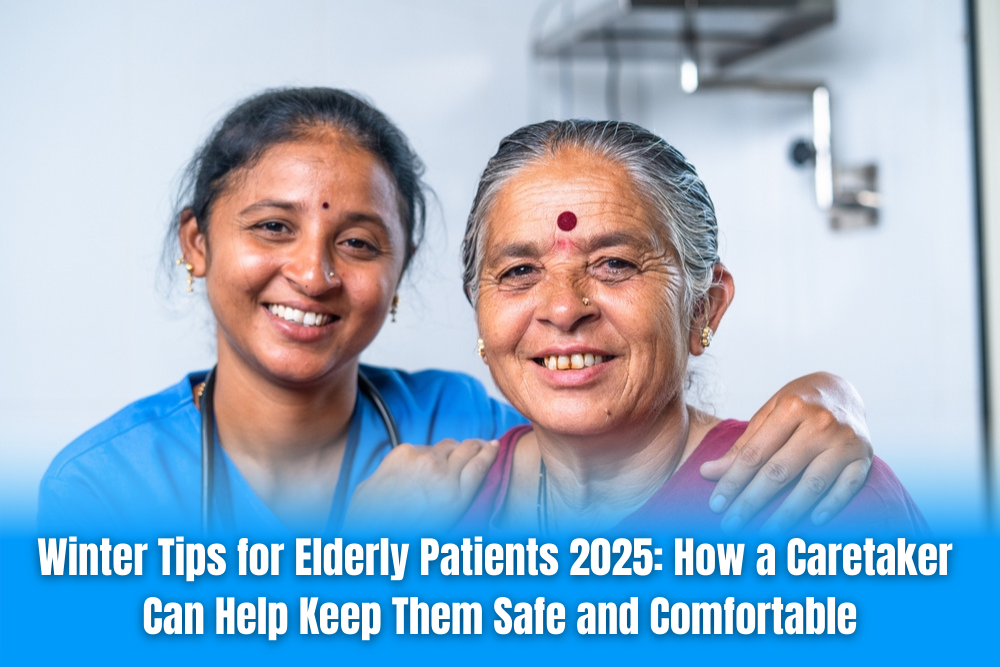
Winter can be especially difficult for elderly people. Cold weather often increases joint pain, breathing problems, fatigue, low immunity, and the risk of infections or falls. Seniors who already suffer from conditions like arthritis, asthma, diabetes, heart disease, or dementia need extra care and attention during winter to stay healthy and comfortable.
For many families, managing all these needs daily can become stressful — especially when balancing work, children, and other responsibilities. This is where a trained caretaker becomes extremely valuable, ensuring elderly parents remain safe, warm, active, and emotionally supported throughout the season.
Why Winter Is More Challenging for Elderly People
As people age, their bodies become less efficient at adjusting to temperature changes. Blood circulation slows down, immunity weakens, and muscles become stiffer during cold weather.
Common winter problems faced by seniors include:
- Increased joint stiffness and arthritis pain
- Difficulty maintaining body warmth
- Cold, flu, cough, and pneumonia risks
- Dry skin and itching
- Low energy and fatigue
- Poor blood circulation and numbness
- Higher risk of slips and falls
- Mood changes, loneliness, or winter depression
Without proper support, these issues can quickly affect an elderly person’s overall health and quality of life.
Important Winter Care Tips for Elderly Parents in 2025
1. Keep Seniors Warm and Comfortable
Proper warmth is essential during winter.
- Dress seniors in layers of warm clothing
- Use socks, gloves, shawls, and woolen caps indoors if needed
- Maintain a warm room temperature
- Use blankets safely during nights
How Caretakers Help: Caretakers ensure elderly parents are properly covered, adjust room temperature, and monitor them during colder nights.
2. Encourage Light Physical Activity
Long hours of inactivity can worsen stiffness and weakness.
Simple exercises like stretching, slow walking, or physiotherapy movements improve circulation and reduce pain.
How Caretakers Help: Caretakers assist seniors with safe walking, mobility support, and doctor-approved exercises.
3. Provide Warm and Nutritious Meals
Winter diets should include foods that improve energy and immunity such as:
- Warm soups and khichdi
- Fresh vegetables and fruits
- Protein-rich meals
- Warm water and herbal drinks
How Caretakers Help: They ensure meals are served on time, encourage hydration, and monitor appetite regularly.
4. Protect Seniors from Seasonal Illnesses
Winter increases the risk of infections like flu, fever, cough, and pneumonia.
How Caretakers Help:
- Maintain hygiene and cleanliness
- Monitor symptoms like fever or breathlessness
- Assist with steam inhalation if advised
- Ensure medicines and immunity supplements are taken regularly
5. Prevent Dry Skin Problems
Cold weather often causes dry, itchy skin that may lead to discomfort or infections.
How Caretakers Help: Caretakers assist with warm baths, timely moisturizing, and proper hygiene care.
6. Monitor Breathing and Oxygen Levels
Elderly patients with asthma, COPD, or heart conditions often experience increased breathing difficulty during winter.
How Caretakers Help:
- Check oxygen saturation (SpO₂) regularly
- Assist with inhalers, nebulizers, or oxygen support
- Keep the environment clean and dust-free
7. Reduce the Risk of Falls
Winter stiffness and slippery floors increase the risk of falls and fractures.
How Caretakers Help: They assist with walking, bathroom visits, standing up safely, and moving around the house carefully.
8. Maintain Proper Medication Routines
Cold mornings often make seniors skip medicines or delay routines.
How Caretakers Help: Caretakers ensure medicines, supplements, and warm fluids are taken on time every day.
9. Provide Emotional Warmth and Companionship
Winter can increase loneliness and low mood in elderly people, especially those living alone.
How Caretakers Help: Through conversation, emotional support, walks, and companionship, caretakers help seniors stay positive and mentally active.
Why Caretakers Become Essential During Winter
Winter is one of the most sensitive seasons for elderly health. Having a trained caretaker provides:
- 24/7 supervision and safety
- Timely meals and medicines
- Warmth and comfort
- Early detection of health issues
- Reduced hospital visits
- Emotional companionship
- Peace of mind for families
Why Choose Lok Seva Home Health Care
At Lok Seva Home Health Care, we provide trained caretakers experienced in managing winter-related elderly health challenges.
Our caregivers assist with:
- Joint pain and mobility support
- Respiratory and breathing care
- Medicine and diet management
- Post-surgery and chronic illness care
- Dementia and Alzheimer’s support
- 24-hour elderly supervision and companionship
We ensure your loved ones stay warm, safe, emotionally supported, and well cared for throughout the winter season.
FAQs
Q1: Why do elderly people feel weaker during winter?
Cold weather slows blood circulation, increases stiffness, and can worsen fatigue and breathing problems.
Q2: Should elderly people exercise during winter?
Yes. Gentle exercise improves circulation and mobility, but it should always be safe and doctor-approved.
Q3: Can dehydration happen during winter?
Yes. Seniors often drink less water in winter, which can lead to dehydration and weakness.
Q4: Is winter dangerous for seniors with breathing problems?
Yes. Cold weather can worsen asthma, COPD, and other respiratory illnesses, making monitoring very important.
Q5: Can caretakers stay overnight during winter?
Yes. Full-time and 24-hour caretaker services are available for seniors who require continuous support and supervision.
Conclusion
Winter can be challenging for elderly parents, but with the right care and support, seniors can remain healthy, safe, active, and comfortable throughout the season.
A trained caretaker helps manage daily routines, warmth, nutrition, safety, medicines, and emotional well-being — reducing stress for families and improving quality of life for seniors.
At Lok Seva Home Health Care, we are committed to providing compassionate elderly care that protects your loved ones during winter and beyond.