
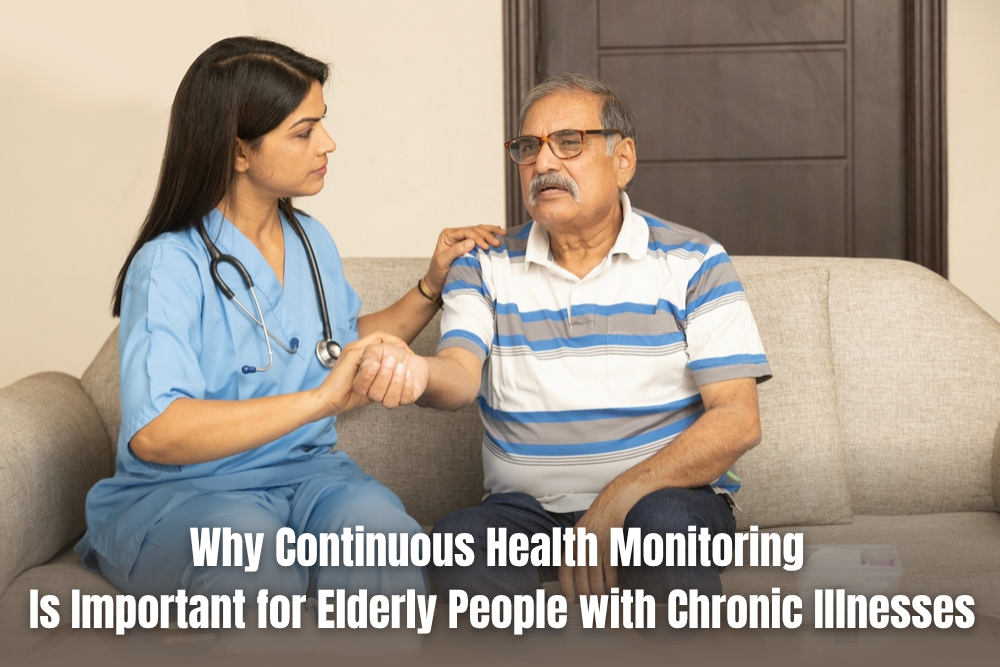
As parents and grandparents grow older, their health becomes more delicate — especially when they are living with chronic illnesses such as diabetes, high blood pressure, heart disease, arthritis, or respiratory conditions. These illnesses don’t just require medicines; they require continuous health monitoring to prevent sudden complications and maintain a good quality of life.
In this article, you’ll understand why regular health monitoring is important for elderly patients, what signs should be tracked daily, and how trained caretakers and nurses can help families manage chronic illnesses safely and comfortably at home.
Understanding Chronic Illnesses in Elderly People
Chronic illnesses are long-term medical conditions that need ongoing care and supervision. Some of the most common chronic illnesses in seniors include:
- Diabetes – requires blood sugar monitoring, diet control, and medicine management
- Hypertension (High Blood Pressure) – needs regular BP checks to prevent strokes or heart problems
- Heart Disease – requires monitoring of pulse, oxygen levels, and physical condition
- Arthritis – needs mobility support and pain management
- Respiratory Conditions – such as COPD or asthma, requiring oxygen and breathing support
For elderly patients, even small changes in vital signs can become serious if ignored. That’s why regular observation and early action are extremely important.
Why Continuous Health Monitoring Matters
1. Helps Prevent Medical Emergencies
Regular monitoring of blood pressure, blood sugar, pulse rate, oxygen levels, and temperature helps identify warning signs early. Sudden changes can then be managed before they become life-threatening emergencies.
2. Ensures Proper Medication Management
Elderly patients often take multiple medicines daily. Caretakers and nurses ensure medicines are given at the right time and observe how they affect the patient’s health.
3. Supports Recovery After Illness or Surgery
Patients recovering from hospitalization, surgery, infections, or weakness require close monitoring to avoid complications or relapse.
4. Reduces Hospital Visits
When health changes are noticed early, many complications can be managed at home itself — reducing unnecessary hospital admissions and stress.
5. Gives Families Peace of Mind
Families feel reassured knowing their loved one’s health is being monitored every day by trained professionals who can respond quickly if something changes.
What Caretakers and Nurses Monitor Daily
Professional caretakers and nurses keep track of important health indicators such as:
- Blood Pressure (BP) – especially for heart and hypertension patients
- Blood Sugar Levels – for diabetic patients
- Oxygen Saturation (SpO₂) – for respiratory or cardiac patients
- Pulse Rate and Temperature – to identify infections or sudden health changes
- Medicine Schedules – ensuring medicines are never missed
- Diet and Hydration – making sure seniors eat properly and stay hydrated
How Caretakers and Nurses Help Families
Managing chronic illness care alone can become exhausting for family members. Trained caregivers help by:
- Providing daily health supervision
- Reducing caregiver stress and burnout
- Maintaining proper health records and medicine schedules
- Responding quickly during emergencies
- Offering emotional companionship to seniors
This support allows families to focus more on emotional bonding instead of constantly worrying about medical routines.
Why Choose Lok Seva Home Health Care
At Lok Seva Home Health Care, we provide trained caretakers and nurses experienced in caring for elderly patients with chronic illnesses.
Our team provides:
- Daily vital sign monitoring
- Medicine management and reminders
- Diabetes and BP monitoring
- Respiratory and oxygen support care
- 24/7 nursing and caretaker services
- Emotional companionship and senior assistance
We ensure your loved ones receive professional healthcare support within the comfort and safety of their home.
FAQs
Q1: How often should vitals be checked for elderly patients?
For seniors with chronic illnesses, checking BP, sugar, pulse, and oxygen at least once or twice daily is recommended.
Q2: Can caretakers manage medical emergencies?
Caretakers can identify warning signs quickly and immediately contact doctors, nurses, or emergency services when needed.
Q3: Should I hire a caretaker or a nurse for chronic illness care?
Caretakers are suitable for routine monitoring and daily support. Nurses are recommended if the patient needs injections, wound care, oxygen support, or medical procedures.
Q4: Can regular monitoring reduce hospital admissions?
Yes. Early detection of health changes often helps avoid serious complications and unnecessary hospital visits.
Q5: Do caregivers provide updates to family members?
Yes. Families receive regular updates about the patient’s condition, medicines, and daily health observations.
Conclusion
Continuous health monitoring is essential for elderly patients living with chronic illnesses. It helps prevent emergencies, improves comfort, and ensures seniors receive timely care and attention every day.
At Lok Seva Home Health Care, our trained caretakers and nurses provide compassionate, professional support that helps elderly patients live safer, healthier, and more comfortable lives at home — while giving families complete peace of mind.