
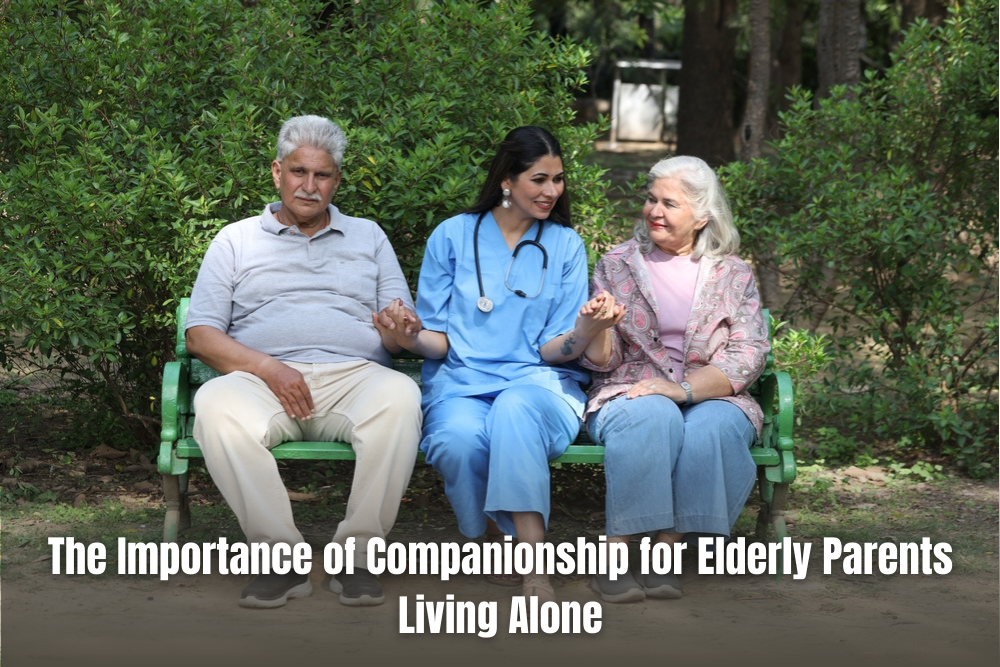
As parents and grandparents grow older, one of the biggest challenges they face is not always illness or physical weakness — it’s loneliness. Many elderly people in India live alone while their children work in different cities or abroad. Even when seniors are physically healthy, emotional isolation can slowly affect their happiness, confidence, memory, and overall well-being.
This is why companionship and emotional support are just as important as medical care. A trained caretaker not only helps with daily activities but also provides meaningful human connection, conversation, comfort, and reassurance.
Why Companionship Is Important for Elderly Parents
As people age, social circles often become smaller. Retirement, reduced mobility, health issues, or the loss of friends and partners can leave seniors spending long hours alone.
This loneliness can lead to emotional and physical challenges such as:
- Feeling isolated or emotionally neglected
- Fear of facing emergencies alone
- Loss of interest in hobbies or routines
- Memory decline due to reduced interaction
- Sleep disturbances, sadness, or irritability
- Increased anxiety or depression
Over time, emotional loneliness can also impact physical health by reducing appetite, motivation, and activity levels.
How Companionship Improves the Lives of Seniors
1. Improves Emotional Well-Being
Daily conversations, shared meals, and simple social interaction help elderly people feel valued, heard, and emotionally connected. Even small moments of companionship can improve mood and reduce feelings of sadness.
2. Encourages Better Daily Routines
A caretaker companion helps seniors maintain structure and consistency by encouraging:
- Timely meals and hydration
- Regular medicines
- Proper hygiene and grooming
- Light physical activity and movement
- Healthy sleep routines
These routines bring stability and emotional comfort.
3. Keeps the Mind Active
Companionship helps seniors stay mentally engaged through activities such as:
- Talking about family memories
- Listening to music together
- Watching television or reading
- Playing simple indoor games
- Going for light walks
Regular interaction keeps the brain active and can help reduce memory decline.
4. Provides Safety and Reassurance
Many elderly parents fear falling sick or getting injured while alone. Having a caretaker nearby provides emotional reassurance and immediate support during emergencies.
5. Reduces Stress and Depression
Human connection naturally reduces stress, anxiety, and emotional isolation. Seniors who feel emotionally supported often remain more positive, confident, and motivated.
The Role of a Caretaker as a Companion
A caretaker’s role goes far beyond physical assistance. They often become trusted companions who bring warmth and emotional support into a senior’s life.
Companion caregivers help by:
- Engaging seniors in regular conversation
- Encouraging hobbies and daily activities
- Listening patiently and respectfully
- Supporting emotional needs
- Accompanying seniors during walks or appointments
- Keeping family members informed about emotional or behavioral changes
For many elderly people, the caretaker becomes the person they interact with most each day — making emotional connection extremely valuable.
Benefits for Families
Families who live away from their parents often feel constant stress and guilt. A trained companion caretaker provides:
- Peace of mind that parents are not alone
- Reduced worry about emergencies or accidents
- Regular updates about their parents’ well-being
- Emotional reassurance for the entire family
- Support balancing work, family, and caregiving responsibilities
Why Choose Lok Seva Home Health Care
At Lok Seva Home Health Care, we understand that elderly care is not only about physical support — it’s also about emotional connection, dignity, and companionship.
Our trained caretakers provide compassionate companionship services that help seniors feel emotionally secure, respected, and cared for every day.
Our services include:
- Part-time and full-time companionship care
- Daily activity assistance
- Medication and meal reminders
- Mobility and walking support
- Emotional engagement and mental stimulation
- 24/7 live-in caretaker support when needed
We strive to ensure every elderly person feels valued, comfortable, emotionally supported, and never alone.
FAQs
Q1: Is companionship really important for elderly people?
Yes. Loneliness can negatively affect emotional health, memory, sleep, appetite, and even physical health. Regular companionship improves overall well-being.
Q2: What does a companion caretaker do?
A companion caretaker provides emotional support, conversation, activity engagement, medicine reminders, mobility help, and assistance with daily routines.
Q3: Can a caretaker stay with elderly parents full-time?
Yes. Depending on the family’s needs, full-time, live-in, and 24-hour caretaker services are available.
Q4: Is a companion caretaker different from a nurse?
Yes. A caretaker mainly provides emotional support and assistance with daily living, while nurses handle medical procedures and clinical care.
Q5: Can companionship help seniors with memory problems?
Yes. Regular interaction, conversation, and mental activities help keep the mind active and emotionally engaged.
Conclusion
For elderly parents, companionship is not a luxury — it’s an essential part of healthy aging. Emotional connection helps seniors stay happier, mentally active, emotionally secure, and physically safer.
A caring and compassionate caretaker brings comfort, confidence, and human warmth into a senior’s daily life — especially when family members cannot always be present.
At Lok Seva Home Health Care, we are committed to providing elderly care filled with dignity, companionship, compassion, and trust — because every parent deserves to feel cared for, respected, and never alone.