
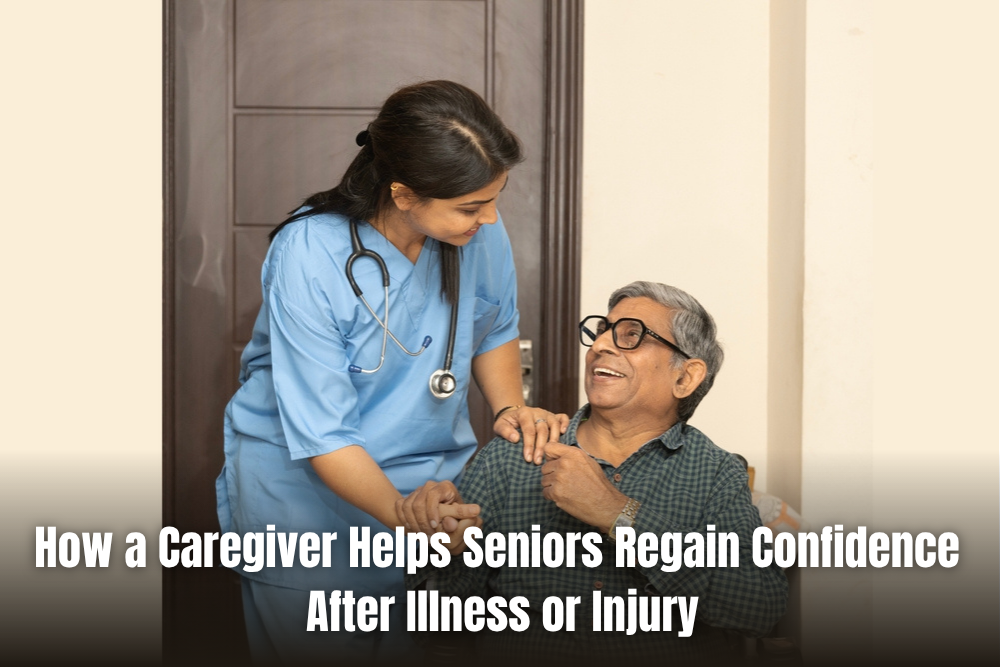
When an elderly parent goes through a serious illness, surgery, injury, or prolonged hospitalization, recovery becomes about much more than physical healing. Many seniors lose their sense of independence during this period. Simple activities like walking, bathing, or eating without assistance may suddenly feel difficult or frightening.
This often affects their emotional health as well. Seniors may begin feeling dependent, anxious, or emotionally low after an illness. In such situations, a trained caregiver plays an important role not only in physical care but also in helping elderly patients rebuild confidence, independence, and emotional strength.
In this article, we’ll explain how caregivers support elderly patients emotionally and physically during recovery, and why this support is so important for families.
The Emotional Impact of Illness or Injury on Seniors
After a major illness, surgery, or injury, many seniors experience emotional and psychological struggles such as:
- Fear of falling or getting hurt again
- Loss of confidence in walking or moving independently
- Frustration about depending on family members
- Sadness, loneliness, or mild depression
- Anxiety about slow recovery or future health problems
- Reduced motivation to exercise or socialize
These emotional challenges can slow down physical recovery if not handled with care and patience.
How Caregivers Help Seniors Rebuild Confidence
1. Providing Daily Encouragement
Caregivers motivate seniors through small daily achievements. Whether it’s walking a few steps, eating independently, or sitting without support, every little improvement helps rebuild confidence.
2. Assisting with Safe Mobility
After illness or surgery, seniors often fear movement because of pain or fall risks. Caregivers assist them carefully with walking, standing, and changing positions safely, helping them regain trust in their body again.
3. Supporting Physiotherapy and Exercises
Many elderly patients require regular exercises or physiotherapy after recovery. Caregivers help seniors follow these routines consistently under medical guidance, improving strength and mobility.
4. Encouraging Independence in Daily Activities
Instead of doing everything for the patient, trained caregivers encourage seniors to perform simple tasks independently whenever possible. This helps restore dignity and self-confidence.
5. Offering Emotional Companionship
Loneliness and emotional stress are common during recovery. Caregivers provide companionship, conversation, and emotional warmth that help seniors feel valued, supported, and less isolated.
6. Monitoring Health and Safety
Knowing someone trained is nearby gives seniors confidence to try activities again without fear. Caregivers monitor their condition closely and provide immediate help if needed.
Why Confidence Is Important for Recovery
Confidence has a direct impact on physical and emotional healing. Seniors who feel positive and supported often:
- Recover faster after illness or surgery
- Stay physically active for longer
- Experience better mental health and emotional stability
- Become more independent in daily activities
- Require fewer hospital readmissions
In many ways, emotional confidence becomes just as important as medicines during the healing process.
How Caregivers Help Families During Recovery
Recovery care can become physically and emotionally exhausting for family members. Professional caregivers help reduce this burden by:
- Providing daily supervision and assistance
- Helping with medicines, hygiene, and meals
- Supporting mobility and exercises
- Reducing stress and caregiver burnout
- Keeping the home environment calm and positive
This allows families to focus more on emotional connection rather than constantly worrying about daily caregiving tasks.
Why Choose Lok Seva Home Health Care
At Lok Seva Home Health Care, we provide experienced caregivers trained in post-illness, post-surgery, and elderly recovery care.
Our caregivers assist with:
- Mobility and walking support
- Physiotherapy assistance
- Daily hygiene and personal care
- Medicine reminders and monitoring
- Companionship and emotional support
- 24/7 caregiver support when needed
We help elderly patients recover with dignity, comfort, and renewed confidence — all within the safety of their own home.
FAQs
Q1: How long should a caregiver stay after surgery or illness?
The duration depends on the patient’s recovery condition. Many seniors benefit from caregiving support for several weeks or months after illness or surgery.
Q2: Can caregivers help with physiotherapy exercises?
Yes. Caregivers assist seniors in following physiotherapy routines safely as instructed by doctors or physiotherapists.
Q3: What if my parent refuses outside help?
Experienced caregivers build trust gradually through patience, respectful communication, and emotional support.
Q4: Do caregivers help with medicines and doctor appointments?
Yes. Caregivers assist with medication reminders, monitoring, and can accompany seniors during doctor visits if needed.
Q5: Can caregivers provide full-time support during recovery?
Yes. Depending on the patient’s condition, part-time, full-time, and 24/7 caregiver services are available.
Conclusion
Recovery after illness or injury is not only physical — it’s emotional too. Seniors need encouragement, patience, companionship, and support to regain confidence in themselves again.
A trained caregiver helps elderly patients rebuild independence step by step while ensuring comfort, safety, and emotional well-being throughout recovery.
At Lok Seva Home Health Care, our compassionate caregivers are dedicated to helping seniors recover with dignity, positivity, and peace of mind — while giving families the reassurance they need every day.