
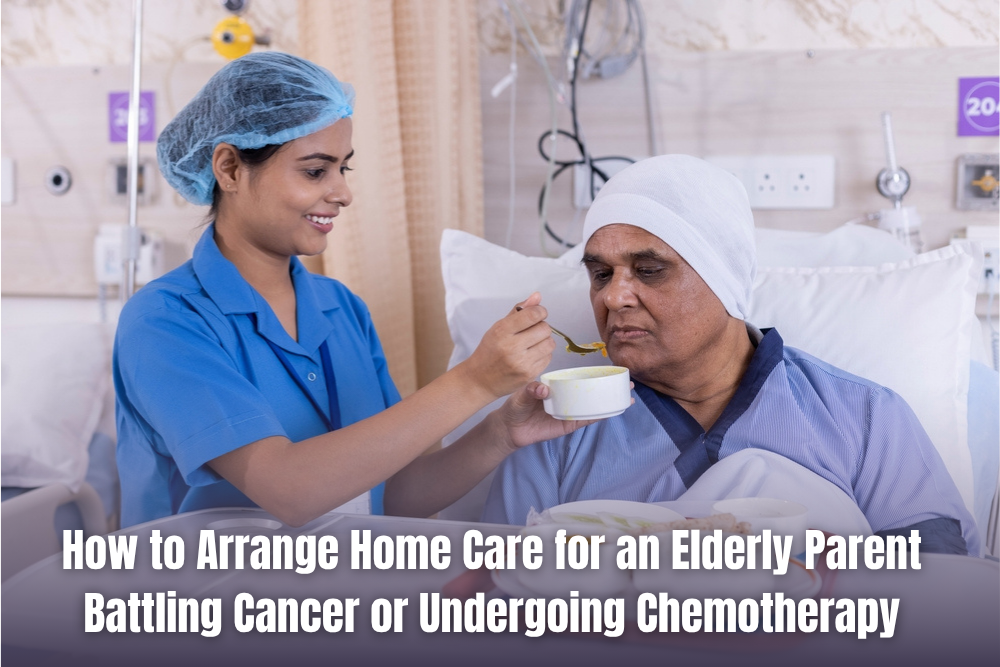
If you’re reading this, chances are someone close to you—your mother, father, or grandparent—is going through cancer treatment. It’s natural to feel worried, emotionally exhausted, and unsure about how to provide the best possible care at home.
This guide will help you understand how to arrange proper home care for an elderly parent undergoing cancer treatment, including chemotherapy, radiation therapy, surgery recovery, or long-term supportive care.
By the end of this article, you’ll understand:
- What kind of support elderly cancer patients need at home
- The difference between caregivers and home nurses
- How to prepare your home for recovery and comfort
- How to support a parent during chemotherapy recovery
- When professional home care becomes necessary
What Does Cancer Treatment Look Like for Elderly Patients?
Cancer treatment affects seniors differently because aging bodies are usually weaker, recover more slowly, and may already have existing health conditions like diabetes, heart disease, or low immunity.
Most elderly cancer patients go through one or more of the following treatments:
1. Chemotherapy
Chemotherapy uses medicines to destroy cancer cells. It may be given through IV drips, injections, or oral tablets.
Common side effects include:
- Extreme tiredness and weakness
- Nausea and vomiting
- Loss of appetite
- Low immunity and infection risk
- Hair loss and emotional stress
2. Radiation Therapy
Radiation therapy targets cancer-affected areas using controlled radiation.
This treatment may cause:
- Skin irritation or burns
- Pain or swelling in treated areas
- Extreme fatigue
3. Cancer Surgery
Some patients undergo surgery to remove tumors or affected organs.
After surgery, seniors may need:
- Wound dressing and monitoring
- Pain management
- Help with movement and toileting
- Support during physical recovery
4. Palliative Care
For advanced-stage cancer, treatment may focus more on comfort and quality of life instead of cure.
Palliative care focuses on:
- Pain management
- Emotional comfort
- Daily support and dignity
- Reducing stress and discomfort
Why Home Care Is Important for Elderly Cancer Patients
Most seniors feel emotionally safer and calmer in their own home rather than in hospitals or care facilities.
Home care provides:
- Comfort in familiar surroundings
- Reduced stress and anxiety
- Lower risk of hospital-acquired infections
- More emotional support from family
- Better rest and recovery
However, cancer care at home also requires proper planning, medical support, and day-to-day assistance.
What Kind of Support Does a Cancer Patient Need at Home?
1. Daily Physical Assistance
Many elderly cancer patients become weak or dependent during treatment.
They may need help with:
- Getting out of bed or walking
- Using the bathroom safely
- Bathing and changing clothes
- Eating meals and staying hydrated
2. Medical Monitoring
Cancer treatments can weaken immunity and increase the risk of complications.
Monitoring is important for:
- Fever or signs of infection
- Blood pressure and oxygen levels
- Chemo side effects
- Post-surgery wound healing
3. Medication Management
Elderly patients often take multiple medicines during treatment.
Caregivers or nurses help ensure:
- Medicines are taken on time
- Correct dosage is followed
- Pain medicines and anti-nausea drugs are managed properly
4. Emotional Support and Companionship
Cancer treatment can feel emotionally draining and isolating for seniors.
Emotional care includes:
- Talking and listening patiently
- Providing encouragement during difficult days
- Reducing loneliness and anxiety
- Helping patients stay mentally positive
Who Can Help? Understanding Home Care Roles
1. Trained Caregiver or Caretaker
Caretakers mainly help with daily living support.
They assist with:
- Bathing and hygiene
- Mobility support
- Meal assistance
- Companionship and supervision
2. Home Nurse
A home nurse is required if the patient needs medical care such as:
- Injections or IV drips
- Wound dressing
- Catheter or oxygen support
- Medical monitoring during recovery
3. Palliative Care Support
Palliative caregivers focus on comfort and emotional well-being for patients with advanced cancer.
How to Arrange Home Care for Your Parent
Step 1: Speak with the Doctor or Oncologist
Ask your doctor:
- What level of care is needed at home?
- What symptoms or complications should be monitored?
- Whether a nurse or caretaker is more suitable
Step 2: Decide Between a Caregiver and a Nurse
- For hygiene, meals, and companionship → Caretaker
- For medical procedures or monitoring → Home Nurse
Step 3: Prepare the Home Environment
Create a calm and safe recovery space:
- Keep the room clean and well-ventilated
- Place medicines and essentials nearby
- Reduce clutter to prevent falls
- Arrange extra bedsheets and hygiene supplies
- Use a hospital bed or wheelchair if needed
Tips to Support Your Parent During Chemotherapy Recovery
- Offer small and frequent meals
- Keep water and fluids easily available
- Allow plenty of rest while encouraging light movement if possible
- Monitor for fever or unusual weakness
- Provide emotional reassurance and patience
Professional Cancer Care at Home
At Lok Seva Home Health Care, we provide trained caregivers, nurses, and elderly support staff experienced in caring for cancer patients at home.
Our services include:
- Cancer patient caregiving support
- Post-surgery recovery assistance
- Home nursing services
- Bedridden patient care
- 24/7 elderly home care support
We focus on comfort, dignity, safety, and compassionate support during one of the most difficult phases of life.
FAQs About Home Care for Elderly Cancer Patients
Q1. Can chemotherapy patients recover safely at home?
Yes. With proper medical guidance, hygiene, nutrition, and caregiver support, many elderly patients recover more comfortably at home.
Q2. How do I know whether I need a nurse or a caretaker?
If medical procedures like injections, wound care, or oxygen support are needed, hire a nurse. For daily support and companionship, a caretaker is suitable.
Q3. What are the warning signs families should monitor during chemotherapy?
Fever, breathing difficulty, severe weakness, dehydration, unusual confusion, or signs of infection should be reported to a doctor immediately.
Q4. Is home care better than staying in the hospital long-term?
In many cases, yes. Home care reduces stress, lowers infection risk, and improves emotional comfort for elderly patients.
Q5. How can I arrange cancer patient care at home in India?
You can contact Lok Seva Home Health Care for trained caregivers and home nursing services for cancer patients and elderly care support.
Conclusion
Watching a parent or grandparent go through cancer treatment is emotionally difficult, but proper home care can make recovery safer, more comfortable, and less stressful.
From medical support and hygiene assistance to emotional companionship and daily monitoring, professional caregivers and home nurses play an important role in helping elderly cancer patients recover with dignity and comfort.
If your loved one needs compassionate cancer care at home, visit Lok Seva Home Health Care and give them the support, comfort, and care they truly deserve.