
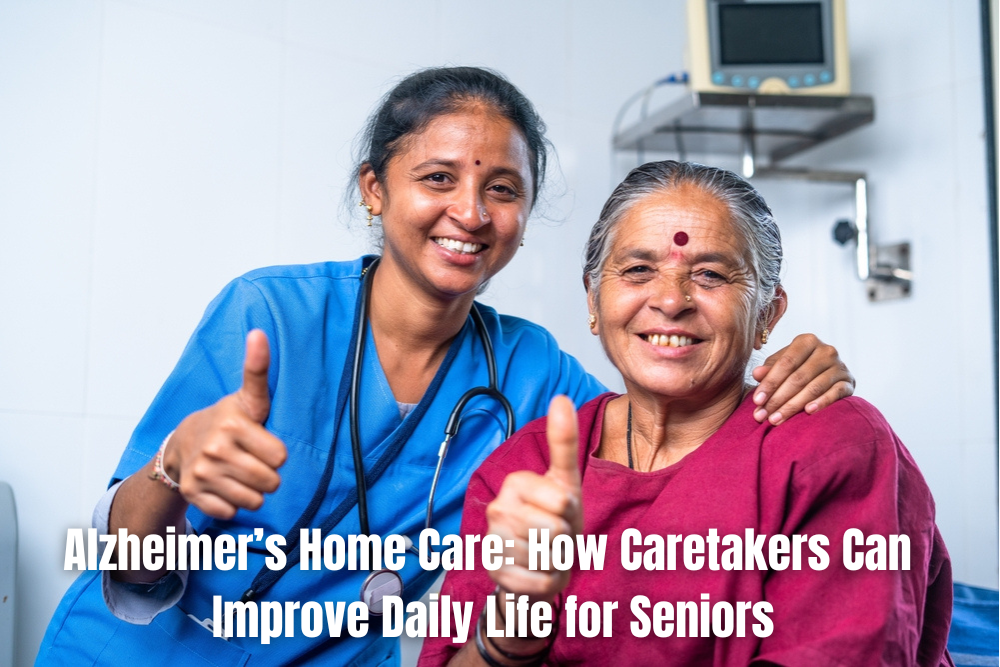
Caring for a loved one with Alzheimer’s can be emotionally and physically exhausting—especially when the symptoms begin affecting their daily life. If you’re trying to balance work, responsibilities, distance, or your own health, it’s natural to feel overwhelmed. That’s where trained caretakers can make a meaningful difference.
In this article, you’ll learn how professional caregivers help make life safer, calmer, and more comfortable for seniors living with Alzheimer’s. We’ll also explore why home-based Alzheimer’s care is often the best option for both elderly patients and their families.
Understanding Alzheimer’s Disease in Seniors
Alzheimer’s disease is a progressive condition that affects memory, thinking ability, communication, and behavior. Over time, seniors may struggle with even simple daily activities such as eating meals, remembering names, bathing, or recognizing familiar places.
Common symptoms include:
- Memory loss that disrupts daily life
- Difficulty completing familiar tasks
- Confusion about time or location
- Mood swings, anxiety, or irritability
- Wandering or restlessness
- Difficulty communicating clearly
As the condition progresses, seniors often require continuous support and supervision to stay safe and comfortable.
Why Home Care Is Helpful for Alzheimer’s Patients
For Alzheimer’s patients, familiar surroundings play a very important role in reducing confusion and anxiety. Staying at home allows seniors to remain connected to familiar rooms, routines, and family memories.
Having a trained caretaker at home provides:
- Consistent routines that reduce stress and confusion
- Personalized one-on-one attention
- Emotional comfort and companionship
- Safer supervision throughout the day
- Support while maintaining dignity and independence
How Caretakers Improve Daily Life for Alzheimer’s Patients
1. Creating a Structured Daily Routine
Alzheimer’s patients feel more secure when their day follows a predictable routine. Caretakers help maintain fixed schedules for:
- Waking up and sleeping
- Meals and hydration
- Bathing and dressing
- Medication timings
- Rest and physical activity
This consistency helps reduce anxiety and confusion throughout the day.
2. Assisting with Personal Hygiene
Many seniors with Alzheimer’s forget to bathe, brush their teeth, or change clothes regularly. Caretakers gently assist with:
- Bathing and grooming
- Changing clothes and maintaining hygiene
- Toileting support and incontinence care
- Skin care and cleanliness
This helps seniors feel clean, comfortable, and respected.
3. Managing Medications Properly
Medication mistakes are common in Alzheimer’s patients due to memory loss. Caretakers ensure:
- Medicines are given on time
- Correct dosage is followed
- Missed medications are avoided
- Any unusual reactions or side effects are noticed early
This reduces the risk of complications and hospital visits.
4. Providing Emotional Support and Companionship
Seniors with Alzheimer’s often experience fear, frustration, loneliness, or mood swings. A compassionate caretaker offers:
- Meaningful conversation and companionship
- Calm reassurance during confusion or anxiety
- Patience during repetitive questioning or forgetfulness
- Emotional comfort and trust-building
This emotional connection greatly improves the patient’s quality of life.
5. Preventing Wandering and Accidents
Wandering is a common and dangerous symptom of Alzheimer’s. Caretakers help prevent accidents by:
- Keeping doors and unsafe areas monitored
- Supervising walks and movement around the home
- Removing fall risks and hazards
- Providing support during mobility or bathroom use
This creates a safer living environment for seniors.
6. Supporting Nutrition and Meal Assistance
Alzheimer’s patients may forget to eat, refuse food, or struggle with swallowing. Caretakers help by:
- Preparing nutritious meals
- Helping with feeding if necessary
- Encouraging hydration throughout the day
- Monitoring appetite and eating habits
Proper nutrition supports energy, immunity, and overall health.
Peace of Mind for Families
Caring for someone with Alzheimer’s can become overwhelming for family members. A trained caretaker helps reduce stress by ensuring your loved one receives proper attention and support every day.
With professional caregiving support:
- You can balance work and family responsibilities more easily
- You avoid caregiver burnout and emotional exhaustion
- Your parent receives continuous supervision and companionship
- You gain peace of mind knowing they are safe and cared for
Professional Alzheimer’s Care at Home
At Lok Seva Home Health Care, we provide trained and compassionate caregivers experienced in caring for seniors with Alzheimer’s and memory-related conditions.
Our caregivers are trained to:
- Handle confusion and mood changes patiently
- Provide emotional reassurance and companionship
- Assist with hygiene, mobility, and meals
- Monitor health conditions and daily routines
- Support both patients and families with compassionate care
We believe Alzheimer’s care is not only about assistance—it’s about patience, dignity, safety, and emotional connection.
FAQs About Alzheimer’s Home Care
Q1. When should I hire a caretaker for Alzheimer’s care?
If your parent frequently forgets medications, becomes confused, wanders, or struggles with daily tasks, professional caregiving support can help ensure their safety and comfort.
Q2. Can caretakers handle aggressive or restless behavior?
Yes, trained caregivers know how to manage mood swings, anxiety, confusion, and wandering behavior calmly and respectfully.
Q3. Is home care better than a nursing home for Alzheimer’s patients?
For many seniors, home care provides greater comfort because familiar surroundings reduce stress, confusion, and emotional distress.
Q4. Can Alzheimer’s patients receive 24-hour care at home?
Yes, professional caregiving services offer flexible options including day care, night care, and full-time 24/7 support.
Q5. Are Alzheimer’s caregivers available in India?
Yes, Lok Seva Home Health Care provides trained Alzheimer’s caregivers and elderly home care services across multiple Indian cities.
Conclusion
Alzheimer’s disease affects not only the patient but the entire family. With the support of a trained and compassionate caretaker, seniors can continue living safely and comfortably at home while families receive the relief and reassurance they need.
From medication reminders and daily routines to emotional companionship and safety supervision, professional caregivers help improve the quality of life for Alzheimer’s patients every single day.
If you’re looking for trusted Alzheimer’s home care services, visit Lok Seva Home Health Care and give your loved ones the care, dignity, and support they deserve.