
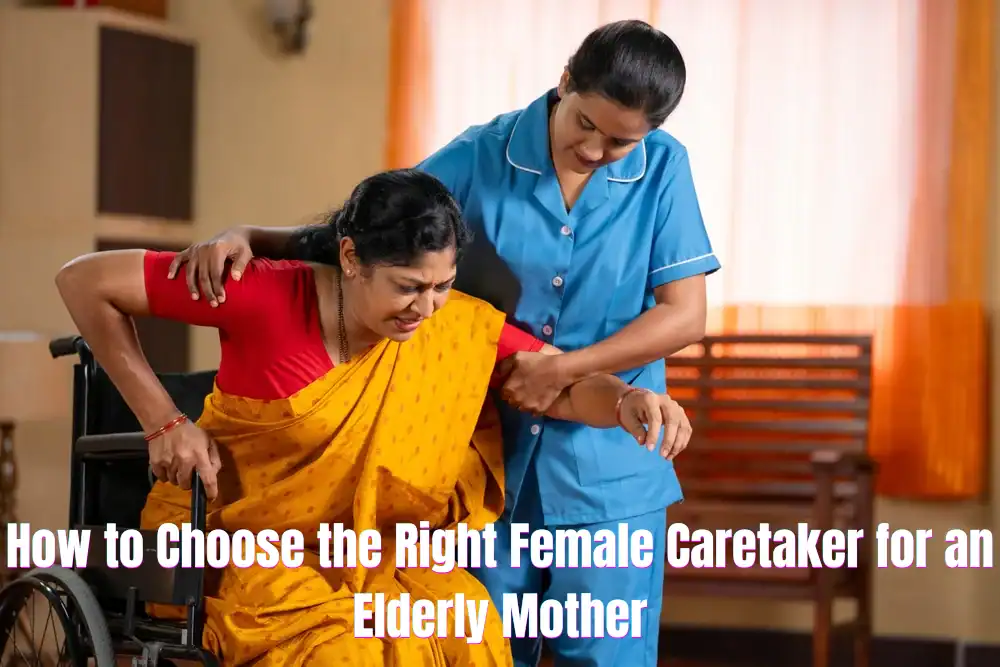
When an elderly mother starts needing help with bathing, dressing, walking, feeding, medicines, or other daily activities, families often consider hiring a female caretaker. For many elderly women, having another woman provide personal care can feel more comfortable, private, and reassuring.
However, choosing the right female caretaker is an important decision. It is not only about finding someone who can perform daily tasks. The caretaker should be trustworthy, patient, respectful, experienced, and suitable for your mother’s specific needs.
A good caretaker can make everyday life easier for your mother and give the entire family peace of mind.
Why a Female Caretaker Can Be Helpful for an Elderly Mother
Some elderly women may feel uncomfortable receiving personal assistance from a male caregiver, particularly for activities such as:
- Bathing
- Changing clothes
- Toileting
- Diaper changing
- Personal hygiene
- Grooming
- Assistance during menstrual or other personal care needs
- Mobility and bathroom assistance
A female caretaker can often make these activities feel more comfortable and private.
For elderly mothers who live alone, a female caretaker can also provide companionship and emotional support throughout the day.
Understand Your Mother’s Care Requirements First
Before hiring anyone, understand exactly what your mother needs.
Ask yourself:
- Can she walk independently?
- Does she need help getting out of bed?
- Can she use the bathroom without assistance?
- Does she need help with bathing?
- Can she eat independently?
- Does she need feeding assistance?
- Does she remember to take her medicines?
- Does she have dementia or memory problems?
- Is she recovering from surgery or illness?
- Is she bedridden?
- Does she need help during the night?
- Does she require medical care from a nurse?
The answers will help you determine whether you need a female caretaker, nurse, wardboy, or a combination of professionals.
1. Look for Relevant Experience
Experience matters, especially when caring for an elderly person with specific health or mobility problems.
Ask whether the caretaker has experience with:
- Elderly patients
- Bedridden patients
- Dementia or Alzheimer’s patients
- Stroke recovery
- Post-surgery care
- Mobility assistance
- Feeding support
- Personal hygiene
- Diaper and toileting care
A caretaker who has previously handled similar situations is more likely to understand the challenges involved.
2. Check Her Ability to Handle Personal Care Respectfully
Personal care is one of the most important parts of elderly care.
Your mother may need help with bathing, changing clothes, using the toilet, or maintaining hygiene. These activities can make seniors feel vulnerable.
The caretaker should:
- Maintain privacy
- Speak respectfully
- Avoid making the senior feel embarrassed
- Be patient during slow movements
- Handle personal belongings carefully
- Maintain cleanliness
Your mother should feel cared for, not controlled.
3. Patience Is More Important Than Speed
Elderly people may take longer to complete simple activities.
Your mother may need extra time to:
- Get out of bed
- Walk to the bathroom
- Eat a meal
- Take a bath
- Explain how she feels
- Remember something
A good caretaker should not rush or become irritated.
Look for someone who is naturally calm, patient, and compassionate.
4. Check Her Communication Skills
The caretaker will spend a significant amount of time with your mother. Good communication is therefore essential.
She should be able to:
- Listen carefully
- Understand your mother’s needs
- Communicate problems to the family
- Explain changes in your mother’s condition
- Speak politely with doctors and family members when required
If your mother speaks a regional language such as Marathi, Hindi, or another language, finding someone who can communicate comfortably with her can make a significant difference.
5. Consider Your Mother’s Personality
A technically capable caretaker may still not be the right fit if their personalities do not work well together.
Consider whether your mother prefers someone who is:
- Quiet and calm
- Talkative and social
- Patient and gentle
- Active and energetic
- Familiar with traditional household routines
The caretaker should respect your mother’s habits and preferences wherever possible.
6. Check Reliability and Availability
Elderly care requires consistency.
Before hiring a caretaker, clarify:
- Working hours
- Weekly off
- Night-duty requirements
- Full-time or part-time availability
- What happens if the caretaker is absent
- Whether a replacement can be provided
For seniors who need continuous supervision, having a reliable backup arrangement is extremely important.
7. Understand What a Caretaker Can and Cannot Do
This is an important point for families.
A caretaker can generally assist with daily activities such as:
- Bathing
- Dressing
- Feeding
- Walking
- Toileting
- Hygiene
- Companionship
- Mobility assistance
- Medicine reminders
However, medical procedures should not be performed by an unqualified caretaker.
Tasks such as injections, IV administration, wound management, certain medical procedures, and clinical monitoring may require a trained nurse.
If your mother has significant medical needs, discuss whether a nurse should be involved in addition to a caretaker.
8. Ask About Training
Do not hesitate to ask about the caretaker’s training and previous experience.
Important areas include:
- Elderly care
- Patient handling
- Basic hygiene
- Safe mobility assistance
- Feeding support
- Bedridden patient care
- Dementia care, if applicable
- Emergency response awareness
Training becomes especially important when your mother is weak or has difficulty moving independently.
9. Choose Someone Who Respects Your Mother’s Independence
Needing assistance does not mean your mother has lost her independence.
A good caretaker should encourage her to do whatever she can safely do herself.
For example, if your mother can eat independently, the caretaker should assist only when necessary rather than taking over completely.
This helps maintain:
- Confidence
- Independence
- Self-respect
- Physical ability
The goal should be support, not unnecessary dependence.
10. Speak to Your Mother Before Finalizing the Caretaker
Your mother should have a say in the decision whenever possible.
Ask her:
- Does she feel comfortable with the caretaker?
- Does she like the way the caretaker communicates?
- Does she feel respected?
- Is she comfortable receiving personal care from her?
- Does she feel safe around her?
A caretaker may look perfect on paper, but your mother’s comfort is ultimately one of the most important factors.
Warning Signs to Watch For
Families should take concerns seriously if a caretaker:
- Frequently arrives late or misses duties
- Becomes impatient with the elderly person
- Ignores instructions
- Handles the patient roughly
- Does not maintain hygiene
- Keeps your mother isolated
- Does not communicate health changes
- Frequently uses the patient’s phone or belongings without permission
If your mother repeatedly says that she feels uncomfortable or unsafe, investigate the situation immediately.
Should You Hire a Female Caretaker Through an Agency?
Finding a caretaker independently may seem simple, but families can face difficulties with verification, replacement, training, and supervision.
A professional home healthcare provider can help families with:
- Caretaker selection
- Staff verification
- Matching the caretaker to the patient’s needs
- Replacement support
- Communication with the family
- Different care options based on the patient’s condition
This can be particularly useful when family members live in another city or cannot supervise the caretaker every day.
When Your Mother Needs a Nurse Instead of a Caretaker
A female caretaker may be sufficient for daily personal assistance. However, your mother may need a home nurse if she requires medical support such as:
- Regular injections
- Wound dressing
- Catheter care
- Feeding tube care
- Oxygen-related support
- Vital monitoring
- Post-surgical nursing care
- Other procedures prescribed by her doctor
In some cases, families may need both a caretaker and a nurse.
How Lokseva Home Healthcare Can Help
At Lokseva Home Healthcare, we understand that choosing someone to care for your mother is a decision that requires trust.
Our home care support is designed around the individual needs of elderly parents. Depending on the situation, families can seek assistance with:
- Personal hygiene
- Bathing and dressing
- Feeding
- Mobility support
- Toileting and diaper care
- Companionship
- Bedridden care
- Dementia-related daily support
- Post-hospital recovery
For patients who require medical attention, professional nursing support can also be arranged according to their healthcare needs.
Our goal is simple: to help your mother feel safe, respected, comfortable, and cared for at home.
Frequently Asked Questions
Is a female caretaker better for an elderly woman?
For personal care activities such as bathing, dressing, toileting, and hygiene, some elderly women may feel more comfortable with a female caretaker. The right choice ultimately depends on your mother’s comfort and care requirements.
Can a female caretaker stay with my mother 24/7?
Depending on the care arrangement, full-time or continuous home care may be available. Families should clarify duty hours, weekly offs, and replacement arrangements before finalizing the service.
Can a caretaker give medicines?
A caretaker may provide reminders or assist with medicines according to the family’s care plan, but medical administration should follow the applicable professional qualifications and the doctor’s instructions.
What if my mother does not like the caretaker?
Give them some time to adjust, but take your mother’s concerns seriously. If the relationship does not improve, speak with the care provider about finding a more suitable caretaker.
Should I choose a caretaker or a nurse?
Choose based on your mother’s needs. A caretaker is generally focused on daily living assistance and companionship, while a nurse is required when professional medical care is needed.
Conclusion
Choosing a female caretaker for your elderly mother is about much more than finding someone to help with daily tasks. You are choosing someone who may spend several hours every day with a person you love.
Look for someone who is experienced, patient, reliable, respectful, and capable of understanding your mother’s individual needs.
Most importantly, make sure your mother feels comfortable and respected.
With the right professional support, elderly mothers can continue living at home with greater safety, confidence, comfort, and dignity, while families can have greater peace of mind knowing that someone trustworthy is there to help.