
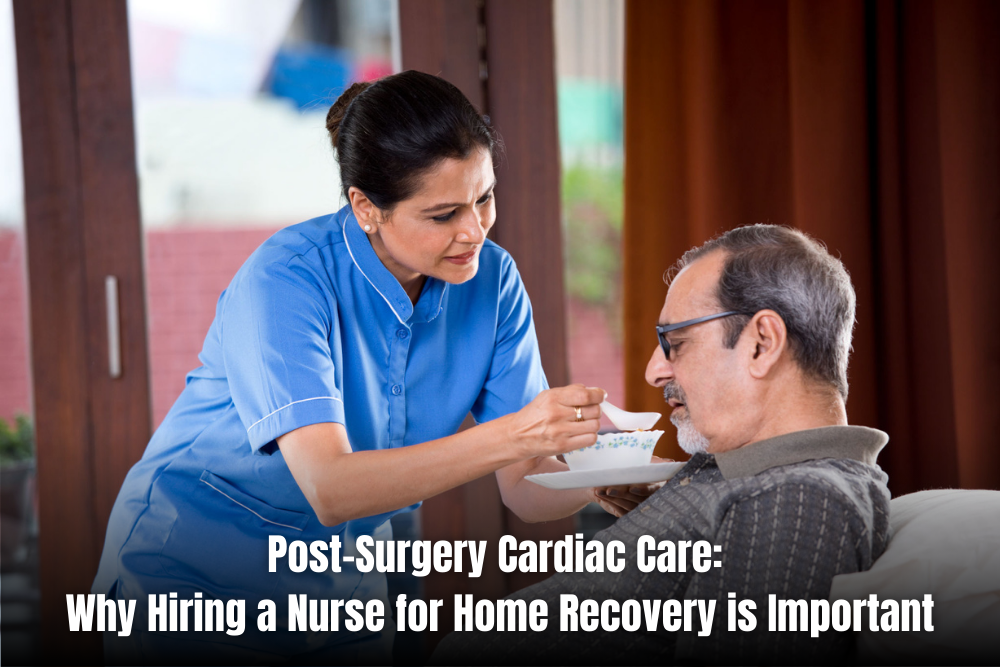
When a loved one returns home after heart surgery, the real recovery journey begins. The first few weeks are extremely important and often filled with medications, restricted movement, wound care, lifestyle adjustments, and emotional ups and downs. For family members, especially those without medical training, managing this stage alone can feel stressful and overwhelming.
That’s where a trained home nurse becomes essential.
In this article, you’ll learn why hiring a nurse for post-cardiac surgery care at home is important, how nurses support daily recovery, what complications they help prevent, and how professional care improves healing and comfort—especially for elderly patients in India.
Understanding Recovery After Heart Surgery
Cardiac procedures such as bypass surgery, angioplasty, valve replacement, pacemaker implantation, or stent procedures place significant physical stress on the body. Even after hospital discharge, patients are still vulnerable and require careful observation and support.
Most elderly patients experience:
- Weakness and fatigue
- Difficulty moving or walking independently
- Breathing discomfort
- Pain around the surgical area
- Fear, anxiety, or emotional stress
For seniors with diabetes, high blood pressure, COPD, or weak immunity, recovery may take even longer. This is why professional nursing care at home becomes extremely valuable during this period.
Why Recovery at Home Requires Professional Support
Hospital discharge does not mean complete recovery. Patients still require continuous support and medical supervision at home.
Recovery after cardiac surgery usually includes:
- Strict medication schedules
- Monitoring blood pressure and oxygen levels
- Limited movement and supervised walking
- Daily wound care and dressing
- Diet and fluid monitoring
- Monitoring for signs of complications
Without proper care, complications like infections, breathing problems, irregular heartbeat, or falls can develop quickly.
What Does a Home Nurse Do After Cardiac Surgery?
1. Daily Monitoring of Vital Signs
One of the most important responsibilities of a home nurse is regular monitoring of vital signs.
This includes checking:
- Blood pressure
- Pulse and heart rate
- Oxygen saturation (SpO2)
- Body temperature
These checks help identify warning signs early, such as:
- Irregular heartbeat
- Low oxygen levels
- Breathing difficulty
- Fever or infection
Early detection helps prevent emergencies and hospital readmission.
2. Medication Management
Heart surgery patients are usually prescribed multiple medicines after discharge.
These may include medicines for:
- Blood pressure control
- Preventing blood clots
- Managing cholesterol
- Managing diabetes or other chronic conditions
A trained nurse ensures:
- Medicines are taken on time
- Correct dosage is followed
- No medicines are missed or repeated
- Side effects are monitored carefully
3. Wound Care and Infection Prevention
After surgery, wound care becomes one of the most critical parts of recovery.
A home nurse helps by:
- Changing dressings hygienically
- Keeping wounds clean and dry
- Checking for redness, swelling, pus, or bleeding
- Informing doctors immediately if complications appear
This is especially important for elderly or diabetic patients who heal more slowly.
4. Assistance with Daily Activities
Even simple daily tasks can feel difficult after heart surgery.
A nurse assists with:
- Bathing and hygiene
- Changing clothes
- Using the bathroom safely
- Getting in and out of bed
- Walking with support
This reduces strain on the heart and prevents accidental falls or injuries.
5. Supporting Safe Physical Activity
Complete bed rest is not recommended after heart surgery. Controlled movement helps improve circulation and recovery.
Based on the doctor’s advice, nurses encourage:
- Short supervised walks
- Breathing exercises
- Gentle body movement
These activities help restore strength gradually while preventing stiffness or circulation issues.
6. Emotional Support and Reassurance
Heart surgery recovery affects mental health too. Many patients feel anxious, fearful, or emotionally low after surgery.
A compassionate nurse provides:
- Emotional reassurance
- Companionship and conversation
- Mental comfort and confidence during recovery
Emotional care often improves the patient’s overall healing experience.
Benefits of Hiring a Home Nurse After Heart Surgery
- Peace of Mind for Family Members knowing a trained professional is supervising recovery
- Reduced Risk of Complications and Hospital Readmission
- Better Medication and Recovery Management
- Safer and Faster Recovery
- Comfort of Recovering at Home instead of prolonged hospital stays
- Reduced Stress for Family Caregivers
When Should You Hire a Nurse After Cardiac Surgery?
Professional nursing support becomes highly important if:
- The patient is elderly or physically weak
- The surgery was major or complicated
- The patient has diabetes, COPD, or high blood pressure
- There is a need for wound dressing or oxygen support
- Family members cannot provide 24/7 care
- The patient lives alone or requires constant observation
Professional Post-Cardiac Surgery Nursing Care at Home
At Lok Seva Home Health Care, we provide trained and experienced nurses for post-cardiac surgery care at home.
Our nursing services include:
- Daily vital monitoring
- Medication and recovery management
- Wound care and dressing support
- 24/7 home nursing services
- Emotional and elderly support care
Our team follows medical protocols carefully while providing compassionate and respectful care for your loved one.
FAQs: Post-Cardiac Surgery Nursing Care at Home
Q1. How long is nursing care needed after heart surgery?
Most patients require at least 1–2 weeks of nursing support, while elderly or weak patients may need longer depending on recovery.
Q2. Can nurses help with physiotherapy or walking support?
Yes. Nurses encourage safe movement, breathing exercises, and basic walking support as advised by the doctor.
Q3. What if the patient needs oxygen or medical equipment at home?
Professional nursing teams can help arrange oxygen support, monitors, hospital beds, or other medical equipment if required.
Q4. Is recovery at home better than staying longer in the hospital?
For stable patients, home recovery is usually more comfortable, emotionally calming, and reduces the risk of hospital-acquired infections.
Q5. Are your nurses trained for elderly cardiac care?
Yes. Our nurses are experienced, trained, and background-verified for cardiac recovery and elderly patient care.
Conclusion
Recovery after heart surgery requires careful monitoring, emotional support, and professional care. A trained home nurse helps ensure your loved one heals safely and comfortably while reducing stress for the entire family.
From monitoring vital signs and medications to providing wound care and emotional reassurance, home nursing care makes recovery smoother and more secure.
If your loved one needs compassionate post-surgery care at home, contact Lok Seva Home Health Care and let our experienced nurses support your family through every step of recovery.