
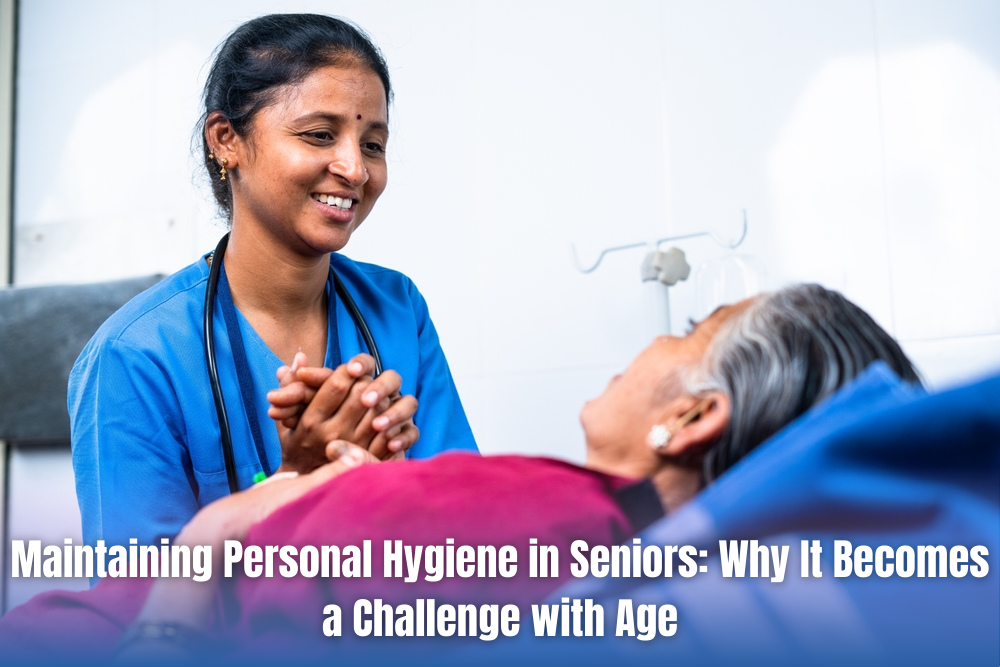
As our parents or grandparents grow older, maintaining personal hygiene—something that once felt simple and routine—can gradually become difficult. Tasks like bathing, brushing teeth, changing clothes, or using the toilet may become physically exhausting, mentally confusing, or emotionally stressful for many seniors.
In this article, we’ll explain why personal hygiene often declines with age, the warning signs families should watch for, and how caregivers or wardboys can support elderly individuals with dignity, patience, and compassion.
Why Personal Hygiene Declines in Older Adults
1. Limited Mobility and Physical Weakness
Many seniors experience arthritis, joint pain, muscle weakness, or balance problems. Simple movements like standing in the bathroom, bending down, or lifting their arms may become painful and tiring.
Because of this, seniors may begin avoiding activities like:
- Bathing regularly
- Washing hair
- Changing clothes
- Brushing teeth properly
Fear of discomfort or injury often causes them to delay or completely skip hygiene routines.
2. Cognitive Decline and Memory Problems
Conditions like dementia or Alzheimer’s disease can affect memory, thinking, and understanding.
Seniors with cognitive decline may:
- Forget to bathe or brush their teeth
- Believe they already completed hygiene tasks
- Feel confused or frightened during bathing
- Resist help due to fear or misunderstanding
This makes gentle supervision and patient support extremely important.
3. Depression, Loneliness, or Emotional Stress
Emotional health has a major impact on self-care. Seniors who feel lonely, isolated, or depressed often lose motivation to maintain personal hygiene.
Signs may include:
- Lack of interest in grooming
- Wearing the same clothes repeatedly
- Ignoring household cleanliness
- Reduced social interaction
Many elderly individuals silently struggle with sadness or hopelessness, which directly affects hygiene and overall well-being.
4. Fear of Falling or Injury
Bathrooms are one of the most common places for elderly falls. Wet floors, slippery tiles, and difficulty balancing can make seniors anxious about bathing.
As a result, they may avoid:
- Showering or bathing regularly
- Using the bathroom without support
- Cleaning themselves properly
A safe bathroom setup and caregiver assistance can greatly reduce this fear.
5. Urinary or Bowel Incontinence
Many elderly people experience bladder or bowel control issues due to aging, illness, or limited mobility.
Incontinence often leads to:
- Embarrassment or shame
- Avoiding conversations about hygiene needs
- Skin irritation or infections
- Unpleasant odours and discomfort
Without proper care, hygiene problems can quickly become serious health concerns.
6. Vision or Hearing Problems
Seniors with poor eyesight or hearing may not notice dirty clothing, unwashed hair, or body odour.
Loss of smell or reduced awareness may also make it difficult for them to recognize hygiene issues independently.
7. Lack of Daily Assistance
Some elderly individuals simply cannot manage daily hygiene alone anymore. Tasks like trimming nails, changing bedsheets, or cleaning dentures may become too difficult without help.
This is especially common in seniors who:
- Live alone
- Have limited family support
- Are recovering after hospitalization or surgery
Warning Signs Your Elderly Parent May Be Struggling with Hygiene
Families should pay attention to signs such as:
- Strong body odour or bad breath
- Dirty or repeated clothing
- Unwashed hair or poor grooming
- Skin rashes, sores, or fungal infections
- Long or dirty nails
- Refusal to bathe or change clothes
- Messy or unhygienic living conditions
These signs often indicate that your parent needs additional care and support.
How Caregivers and Wardboys Help Maintain Hygiene with Dignity
Professional caregivers and wardboys assist seniors respectfully while protecting their privacy, comfort, and confidence.
1. Daily Personal Hygiene Assistance
Caregivers help with:
- Bathing or sponge baths
- Brushing teeth and denture cleaning
- Hair grooming and nail trimming
- Changing clothes and undergarments
This daily support helps seniors feel clean, comfortable, and emotionally confident.
2. Incontinence and Toilet Assistance
Caregivers provide sensitive support for bladder and bowel care by:
- Changing adult diapers regularly
- Helping seniors use the toilet safely
- Cleaning the skin properly to prevent rashes or infections
- Keeping bedding and clothing dry and clean
3. Creating a Safe Bathroom Environment
To reduce fear and accidents, caregivers help create safer hygiene spaces using:
- Anti-slip mats
- Grab bars and support handles
- Shower chairs or stools
- Close supervision during bathing
4. Building Routine and Trust
Experienced caregivers understand that hygiene support should never feel forceful or embarrassing.
They focus on:
- Creating a regular hygiene routine
- Using calm and respectful communication
- Encouraging independence whenever possible
- Maintaining privacy and dignity
Professional Elderly Hygiene Care at Home
At Lok Seva Home Health Care, our trained caregivers and wardboys provide elderly hygiene support with patience, compassion, and professionalism.
We assist seniors with:
- Bathing and grooming support
- Incontinence and diaper care
- Bedridden patient hygiene
- Skin care and cleanliness maintenance
- Safe and respectful elderly care at home
FAQs: Elderly Personal Hygiene Support
Q1. Is it common for seniors to avoid bathing?
Yes. Physical pain, fear of falling, confusion, or emotional stress often cause seniors to avoid bathing regularly.
Q2. Can poor hygiene cause serious health problems in elderly people?
Yes. Poor hygiene can lead to skin infections, fungal infections, UTIs, bedsores, dental problems, and emotional distress.
Q3. How can caregivers help seniors bathe safely?
Caregivers use safety tools like grab bars, anti-slip mats, and shower chairs while providing gentle support during bathing.
Q4. Can a wardboy help with hygiene support at home?
Absolutely. Trained wardboys assist with bathing, grooming, diaper changing, bed cleaning, and personal hygiene care.
Q5. How can I hire elderly hygiene support services in India?
You can contact Lok Seva Home Health Care for trained caregivers and hygiene assistance services for elderly patients at home.
Conclusion
Poor hygiene in elderly individuals is often not a matter of carelessness—it is usually a sign that they need help, support, and understanding.
With age-related physical limitations, emotional struggles, or medical conditions, maintaining hygiene can become difficult without assistance. A trained caregiver or wardboy helps seniors stay clean, comfortable, healthy, and confident while preserving their dignity.
If your loved one needs compassionate hygiene support at home, visit Lok Seva Home Health Care and ensure they receive the respectful elderly care they truly deserve.